


Supply Chain
Stay Ahead of Supply Chain Disruptions
Identify Lifecycle, Sourcing, and Compliance Risk Early—Before Shortages, Delays, or Redesigns Occur
Based on disruption scenarios from the Taiwan earthquake, this whitepaper explains how to identify at‑risk electronic components, assess supplier dependencies, and reduce the impact of supply chain disruptions.
Where Supply Chain Visibility Breaks Down
Most supply chain disruptions are predictable—but only when early risk signals are connected to real sourcing and planning decisions. Without that visibility, teams are left reacting after disruption hits.
- Sudden component shortages and supplier allocation constraints
- Limited visibility into supplier and sub‑tier risk
- Volatile lead times and fluctuating pricing signals
- Reactive sourcing decisions made under time pressure
How Teams Anticipate and Manage Component Risk Proactively
Leading supply chain teams evolve from reactive sourcing to proactive planning by identifying component risk signals early and understanding their impact on supply continuity, availability, and cost—before disruption occurs.
- Detect early warning signals that signal potential component shortages
- Anticipate availability and pricing changes driven by lifecycle shifts
- Assess supplier stability to protect continuity across bill of materials (BOM)
- Reduce disruption and cost volatility through proactive supply planning
How Supply Chain Teams Predict Component Disruptions
Supply Chain Disruption Response Framework: A Practical Five-Step Model for Semiconductor Manufacturers
Using the Taiwan earthquake as a real-world case study, this analysis connects global disruption events to supply chain impact, highlighting a region that produces 60% of global semiconductors and 92% of advanced chips.
- Supplier financial health
- Factory location concentration
- Lead time trends
- Global event exposure
Access the full framework to understand how leading teams translate global disruptions into structured supply chain decisions. A product specialist may follow up to share additional insights.
How Supply Chain Teams Use SiliconExpert
SiliconExpert helps supply chain teams monitor supplier health, track global disruptions, forecast lead time and pricing trends, and identify alternate components faster. The platform provides real-time supply chain intelligence and disruption alerts to help teams respond faster.
Tools that Strengthen your Supply Chain
Supply chain professionals need actionable intelligence that links risk to real parts, suppliers, and production lines. SiliconExpert provides solutions that support proactively building resilient products, while also developing strategic disruption response plans, so you can act with data-backed confidence in any situation.

Supply Chain Risk Manager (SCRM)
Stay ahead of global disruptions when you can map risk across tier-n suppliers, geo-diversify your sourcing, monitor global events, and gauge potential impact on your BOMs. Get even more proactive with integrated supplier scorecards, market forecasts, and AI-driven supply chain intelligence.
Manufacturer Risk Scorecard
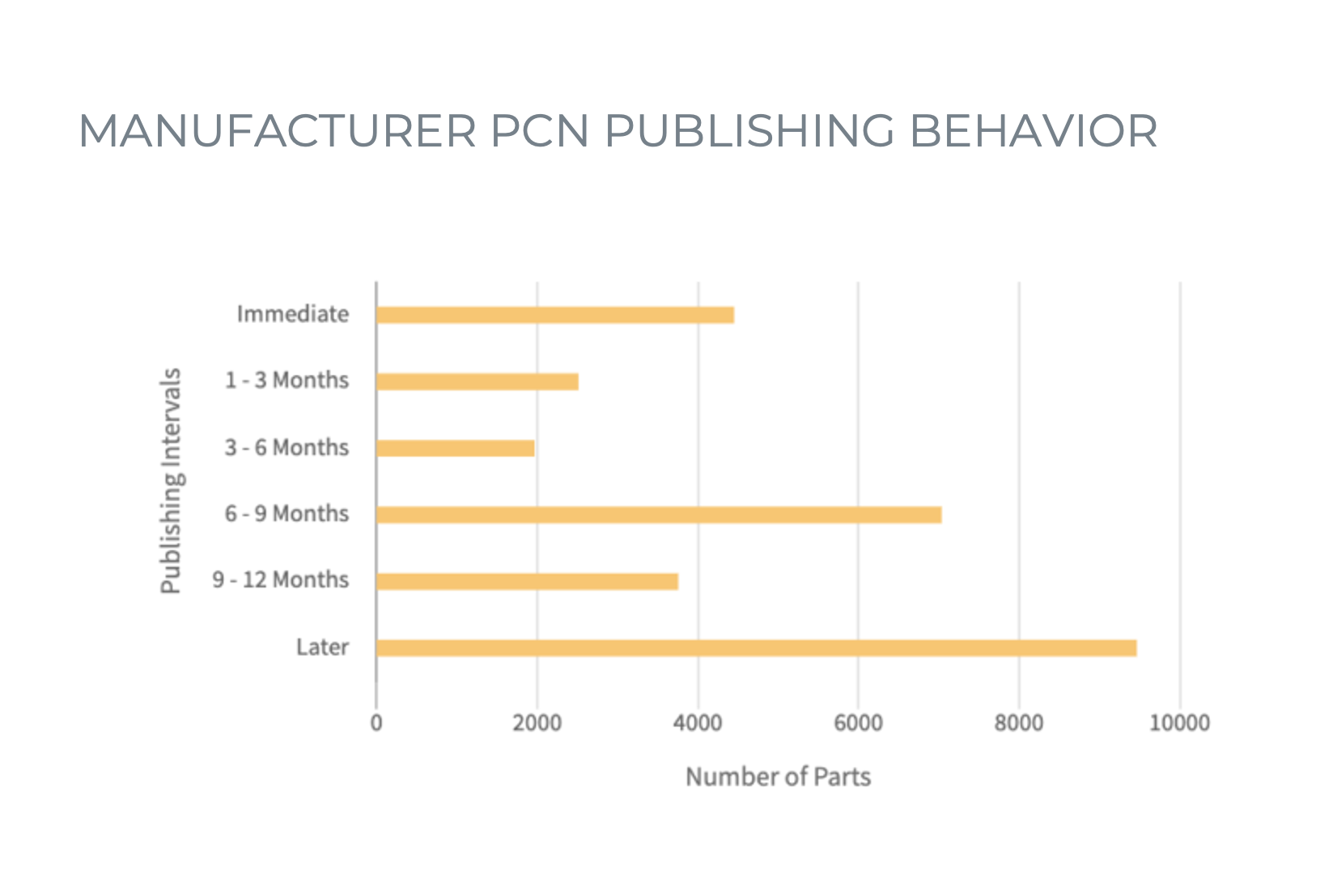
Evaluate suppliers' historical behavior patterns with scorecards that snapshot reliability factors, such as their financial health, lead time accuracy, and timeliness of PCNs.
Open Market Insights
You gain the first-mover advantage when you anticipate market shifts like shortages and changing demand. Real-time insights into actual open market activity, and alerts to historical predictive behavior markers, provide a game-changing competitive advantage.