
SCRM

Supply Chain Risk Management

Gain real-time, reliable insight across your entire supply chain. With advanced intelligence and verified data, SiliconExpert helps you assess risk and build resilience with confidence.

Sub-Tier Visibility

Detailed information, like factory type and location, empower next level strategizing.

React with Agility

Get alerts on geopolitical events, factory issues, and supply shifts that matter to your supply chain.

Choose Resilient Components

Leverage risk indicators and reliability data to design for long-term resilience.

Protect Your Production Lines

Build resilience in a volatile market with strategies to both prepare for disruptions and respond quickly when they occur.

Supply Chain Intelligence

Save time and improve organizational flow with an intelligence dashboard that combines AI speed with human verification for trusted, actionable supply chain insight.

GeoRisk

Spotlight single points of failure and build geo-diversity into your supply chain with extensive visibility into factory site locations.

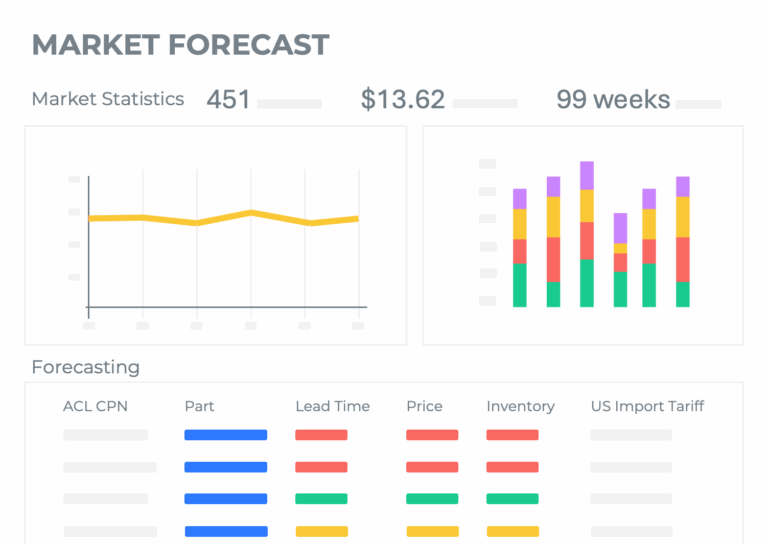
Market Forecast

Track pricing, lead time trends, and US import tariffs to plan budgets and supply timelines with confidence.

Manufacturer Risk Evaluation

Use the Manufacturer Risk Scorecard to assess supplier reliability, lead times, and obsolescence risk.

Reactive Tools

Events Browser

Monitor global events and instantly see how they impact your parts list.

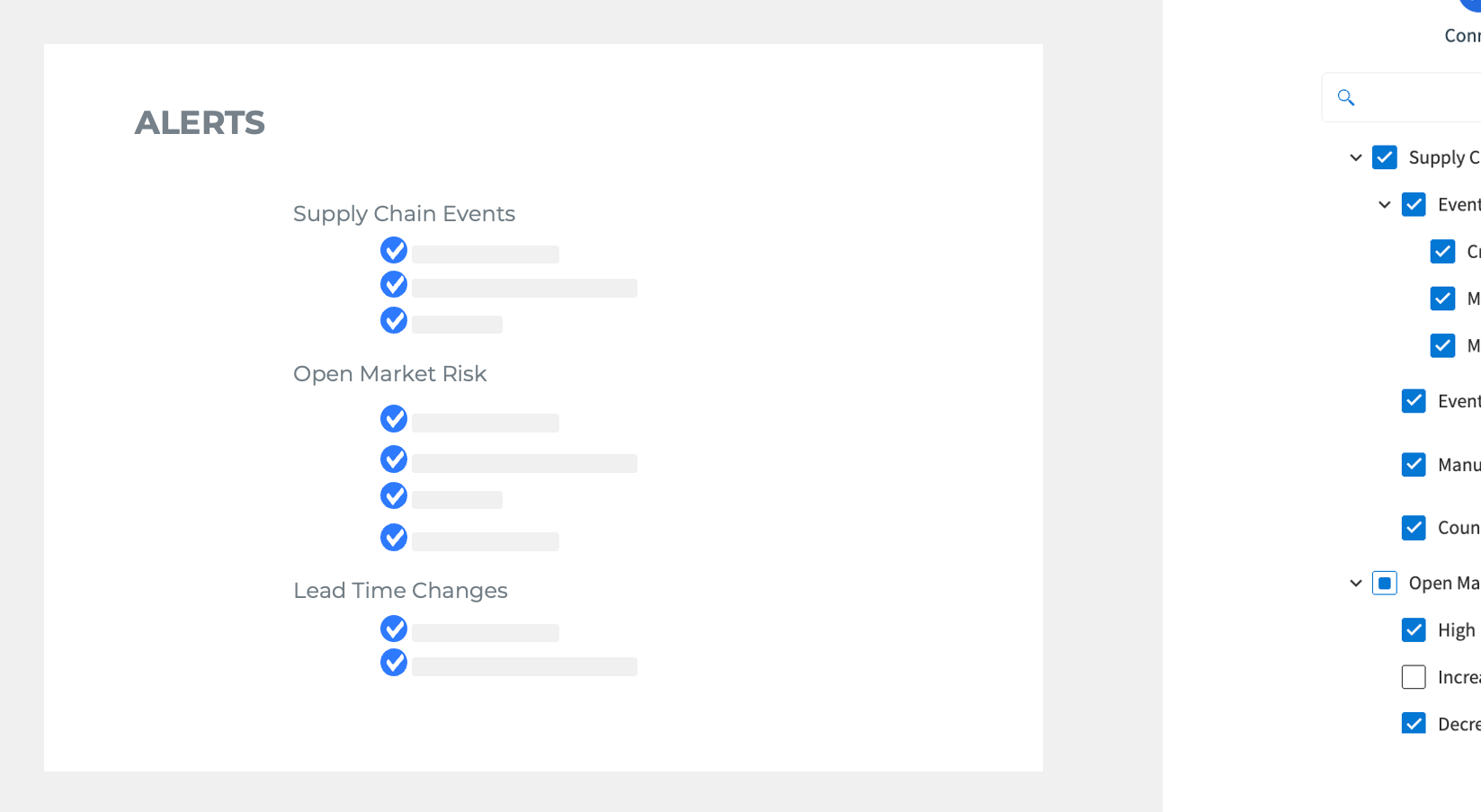
Alerts

Receive targeted notifications about disruptions that matter to your projects.

PRODUCT FAQ

Frequently asked questions about Supply Chain Risk Manager (SCRM)

What supply chain risks can SCRM identify?

Supply Chain Risk Manager (SCRM) uses tier-N mapping, geographic and supplier risk, global events, market signals, Resilience Rating and coordinated mitigation workflows to answer this need. The capability presents relevant risk and decision context in a shared workflow, helping teams reduce manual research, prioritize attention and coordinate action. This supports resilient design, sourcing continuity and clearer stakeholder communication. Request a demo to explore the workflow with your data.

How does SCRM provide tier-N supply chain visibility?

Supply Chain Risk Manager (SCRM) helps by using tier-N mapping, geographic and supplier risk, global events, market signals, Resilience Rating and coordinated mitigation workflows. It connects the question to affected components, suppliers, BOMs or business priorities, reducing manual research and making next steps clearer. This supports earlier risk identification, stronger cross-functional alignment and more confident action. Contact SiliconExpert to discuss the right configuration for your team.

Can SCRM monitor global disruptions in real time?

Yes. Supply Chain Risk Manager (SCRM) uses tier-N mapping, geographic and supplier risk, global events, market signals, Resilience Rating and coordinated mitigation workflows to support this need. Teams can evaluate the relevant information in context, focus on the parts or suppliers that require attention, and carry findings into sourcing, reporting or mitigation workflows. See how the capability can support your product and supply chain workflows.

How does SCRM help prioritize risk mitigation efforts?

Supply Chain Risk Manager (SCRM) helps by using tier-N mapping, geographic and supplier risk, global events, market signals, Resilience Rating and coordinated mitigation workflows. It connects the question to affected components, suppliers, BOMs or business priorities, reducing manual research and making next steps clearer. This supports earlier risk identification, stronger cross-functional alignment and more confident action. Talk with SiliconExpert about applying this intelligence to your parts and BOMs.

What role does AI play in SCRM?

AI helps interpret and prioritize the intelligence available in Supply Chain Risk Manager (SCRM). It can surface relevant signals, summarize context and guide users toward recommended actions while keeping decisions connected to validated SiliconExpert data. Human review remains important for part qualification and sourcing , as well as for compliance decisions. Request a demo to explore the workflow with your data.

Can SCRM connect supply chain events to specific BOMs?

Yes. Supply Chain Risk Manager (SCRM) uses tier-N mapping, geographic and supplier risk, global events, market signals, Resilience Rating and coordinated mitigation workflows to support this need. Teams can evaluate the relevant information in context, focus on the parts or suppliers that require attention, and carry findings into sourcing, reporting or mitigation workflows. Contact SiliconExpert to discuss the right configuration for your team.

How does SCRM improve supply continuity planning?

Supply Chain Risk Manager (SCRM) helps by using tier-N mapping, geographic and supplier risk, global events, market signals, Resilience Rating and coordinated mitigation workflows. It connects the question to affected components, suppliers, BOMs or business priorities, reducing manual research and making next steps clearer. This supports earlier risk identification, stronger cross-functional alignment and more confident action. See how the capability can support your product and supply chain workflows.

Events Browser

What is Events Browser?

Events Browser is global event monitoring connected to suppliers, manufacturing locations, components and BOM exposure. It helps teams move from fragmented research to a clearer, shared view of risk and action. By connecting intelligence to real components, suppliers or BOMs, the capability supports faster, data-backed decisions across engineering, procurement, compliance and supply chain teams. Request a demo to explore the workflow with your data.

How are global events linked to affected suppliers and components?

Events Browser uses global event monitoring connected to suppliers, manufacturing locations, components and BOM exposure to answer this need. The capability presents relevant supply chain risk and decision context in a shared workflow, helping teams reduce manual research, prioritize attention and coordinate action. This supports resilient design, sourcing continuity and clearer stakeholder communication. Contact SiliconExpert to discuss the right configuration for your team.

Can Events Browser help assess disruption impact?

Yes. Events Browser uses global event monitoring connected to suppliers, manufacturing locations, electronic components and BOM exposure to support this need. Teams can evaluate the relevant information in context, focus on the parts or suppliers that require attention, and carry findings into sourcing, reporting or mitigation workflows. See how the capability can support your product and supply chain workflows.

What types of events are monitored?

Events Browser uses global event monitoring connected to suppliers, manufacturing locations, components and BOM exposure to answer this need. The capability presents relevant risk and decision context in a shared workflow, helping teams reduce manual research, prioritize attention and coordinate action. This supports resilient design, sourcing continuity and clearer stakeholder communication. Talk with SiliconExpert about applying this intelligence to your parts and BOMs.

How quickly are disruptions surfaced?

Events Browser uses global event monitoring connected to suppliers, manufacturing locations, components and BOM exposure to answer this need. The capability presents relevant risk and decision context in a shared workflow, helping teams reduce manual research, prioritize attention and coordinate action. This supports resilient design, sourcing continuity and clearer stakeholder communication. Request a demo to explore the workflow with your data.

Can users receive alerts for critical events?

Yes. Events Browser uses global event monitoring connected to suppliers, manufacturing locations, components and BOM exposure to support this need. Teams can evaluate the relevant information in context, focus on the parts or suppliers that require attention, and carry findings into sourcing, reporting or mitigation workflows. Contact SiliconExpert to discuss the right configuration for your team.

How does Events Browser support executive decision making?

Events Browser helps by using global event monitoring connected to suppliers, manufacturing locations, components and BOM exposure. It connects the question to affected components, suppliers, BOMs or business priorities, reducing manual research and making next steps clearer. This supports earlier risk identification, stronger cross-functional alignment and more confident action. See how the capability can support your product and supply chain workflows.

GeoRisk

What is GeoRisk?

GeoRisk is geographic intelligence for manufacturing footprints, concentration, sanctions, restricted minerals and alternative sourcing. It helps teams move from fragmented research to a clearer, shared view of risk and action. By connecting intelligence to real components, suppliers or BOMs, the capability supports faster, data-backed decisions across engineering, procurement, compliance and supply chain teams. Request a demo to explore the workflow with your data.

How does GeoRisk identify geographic concentration risk?

GeoRisk helps by using geographic intelligence for manufacturing footprints, concentration, sanctions, restricted minerals and alternative sourcing. It connects the question to affected components, suppliers, BOMs or business priorities, reducing manual research and making next steps clearer. This supports earlier risk identification, stronger cross-functional alignment and more confident action. Contact SiliconExpert to discuss the right configuration for your team.

Can GeoRisk help uncover single-source dependencies?

Yes. GeoRisk uses geographic intelligence for manufacturing footprints, concentration, sanctions, restricted minerals and alternative part sourcing to support this need. Teams can evaluate the relevant information in context, focus on the parts or suppliers that require attention, and carry findings into sourcing, reporting or mitigation workflows. See how the capability can support your product and supply chain workflows.

How are sanctions and restricted material risks monitored?

GeoRisk uses geographic intelligence for manufacturing footprints, concentration, sanctions, restricted minerals and alternative sourcing to answer this need. The capability presents relevant risk and decision context in a shared workflow, helping teams reduce manual research, prioritize attention and coordinate action. This supports resilient design, sourcing continuity and clearer stakeholder communication. Talk with SiliconExpert about applying this intelligence to your parts and BOMs.

Can GeoRisk support continuity planning?

Yes. GeoRisk uses geographic intelligence for manufacturing footprints, concentration, sanctions, restricted minerals and alternative sourcing to support this need. Teams can evaluate the relevant information in context, focus on the parts or suppliers that require attention, and carry findings into sourcing, reporting or mitigation workflows. Request a demo to explore the workflow with your data.

How does GeoRisk improve sourcing diversification?

GeoRisk helps by using geographic intelligence for manufacturing footprints, concentration, sanctions, restricted minerals and alternative sourcing. It connects the question to affected components, suppliers, BOMs or business priorities, reducing manual research and making next steps clearer. This supports earlier risk identification, stronger cross-functional alignment and more confident action. Contact SiliconExpert to discuss the right configuration for your team.

What geographic intelligence is included?

GeoRisk uses geographic intelligence for manufacturing footprints, concentration, sanctions, restricted minerals and alternative sourcing to answer this need. The capability presents relevant risk and decision context in a shared workflow, helping teams reduce manual research, prioritize attention and coordinate action. This supports resilient design, sourcing continuity and clearer stakeholder communication. See how the capability can support your product and supply chain workflows.

Manufacturer Scorecard

What factors are used to evaluate supplier reliability?

Manufacturer Scorecard uses supplier reliability intelligence based on financial health, lead-time behavior, manufacturing network and part change notification (PCN) timeliness to answer this need. The capability presents relevant risk and decision context in a shared workflow, helping teams reduce manual research, prioritize attention and coordinate action. This supports resilient design, sourcing continuity and clearer stakeholder communication. Request a demo to explore the workflow with your data.

How does Manufacturer Scorecard support supplier selection?

Manufacturer Scorecard helps by using supplier reliability intelligence based on financial health, lead-time behavior, manufacturing network and PCN timeliness. It connects the question to affected components, suppliers, BOMs or business priorities, reducing manual research and making next steps clearer. This supports earlier risk identification, stronger cross-functional alignment and more confident action. Contact SiliconExpert to discuss the right configuration for your team.

Can I compare suppliers side-by-side?

Yes. Manufacturer Scorecard uses supplier reliability intelligence based on financial health, lead-time behavior, manufacturing network and PCN timeliness to support this need. Teams can evaluate the relevant information in context, focus on the parts or suppliers that require attention, and carry findings into sourcing, reporting or mitigation workflows. See how the capability can support your product and supply chain strategies.

How does the scorecard help reduce supply chain risk?

Manufacturer Scorecard helps by using supplier reliability intelligence based on financial health, lead-time behavior, manufacturing network and PCN timeliness. It connects the question to affected components, suppliers, BOMs or business priorities, reducing manual research and making next steps clearer. This supports earlier risk identification, stronger cross-functional alignment and more confident action. Talk with SiliconExpert about applying this intelligence to your parts and BOMs.

What supplier intelligence is included?

Manufacturer Scorecard uses supplier reliability intelligence based on financial health, lead-time behavior, manufacturing network and PCN timeliness to answer this need. The capability presents relevant risk and decision context in a shared workflow, helping teams reduce manual research, prioritize attention and coordinate action. This supports resilient design, sourcing continuity and clearer stakeholder communication. Request a demo to explore the workflow with your data.

How often are supplier ratings updated?

Manufacturer Scorecard reflects the latest validated supplier and market inputs available in SiliconExpert. Underlying data is refreshed according to source and business criticality, including supplier documents, manufacturing information, lead-time behavior and market signals. Because update timing varies by data element, customers should confirm specific refresh expectations for their subscription. Contact SiliconExpert to discuss the right configuration for your team.

Which teams benefit most from Manufacturer Scorecard?

Manufacturer Scorecard is designed for cross-functional use by engineering, procurement, compliance, supply chain and leadership teams. It is especially relevant to organizations that depend on electronic components, manage long product lifecycles, operate across regulated markets or need stronger visibility into supplier and geographic risk. See how the capability can support your product and supply chain workflows.

Market Forecast

What market signals are included in Market Forecast?

Market Forecast uses machine-learning forecasts for price, lead time and inventory, supported by historical trends, market insights and tariff analysis to answer this need. The capability presents relevant risk and decision context in a shared workflow, helping teams reduce manual research, prioritize attention and coordinate action. This supports resilient design, sourcing continuity and clearer stakeholder communication. Request a demo to explore the workflow with your data.

How can Market Forecast help predict shortages?

Market Forecast helps by using machine-learning forecasts for price, lead time and inventory, supported by historical trends, market insights and tariff analysis. It connects the question to affected components, suppliers, BOMs or business priorities, reducing manual research and making next steps clearer. This supports earlier risk identification, stronger cross-functional alignment and more confident action. Contact SiliconExpert to discuss the right configuration for your team.

Does the tool monitor pricing and lead-time trends?

Yes. Market Forecast uses machine-learning forecasts for price, lead time and inventory, supported by historical trends, market insights and tariff analysis to support this need. Teams can evaluate the relevant information in context, focus on the parts or suppliers that require attention, and carry findings into sourcing, reporting or mitigation workflows. See how the capability can support your product and supply chain workflows.

Can procurement teams use forecasts for sourcing strategy?

Yes. Market Forecast uses machine-learning forecasts for price, lead time and inventory, supported by historical trends, market insights and tariff analysis to support this need. Teams can evaluate the relevant information in context, focus on the parts or suppliers that require attention, and carry findings into sourcing, reporting or mitigation workflows. Talk with SiliconExpert about applying this intelligence to your parts and BOMs.

How does Market Forecast differ from Open Market?

Market Forecast helps by using machine-learning forecasts for price, lead time and inventory, supported by historical trends, market insights and tariff analysis. It connects the question to affected components, suppliers, BOMs or business priorities, reducing manual research and making next steps clearer. This supports earlier risk identification, stronger cross-functional alignment and more confident action. Request a demo to explore the workflow with your data.

Does AI assist with forecasting analysis?

Yes. Market Forecast uses machine-learning forecasts for price, lead time and inventory, supported by historical trends, market insights and tariff analysis to support this need. Teams can evaluate the relevant information in context, focus on the parts or suppliers that require attention, and carry findings into sourcing, reporting or mitigation workflows. Contact SiliconExpert to discuss the right configuration for your team.

How can Market Forecast improve business planning?

Market Forecast helps by using machine-learning forecasts for price, lead time and inventory, supported by historical trends, market insights and tariff analysis. It connects the question to affected components, suppliers, BOMs or business priorities, reducing manual research and making next steps clearer. This supports earlier risk identification, stronger cross-functional alignment and more confident action. See how the capability can support your product and supply chain workflows.

Strategic Minerals

What is Strategic Minerals intelligence?

Strategic Minerals is component-level mineral intelligence that connects material composition, regulatory frameworks and sourcing risk. It helps teams move from fragmented research to a clearer, shared view of risk and action. By connecting intelligence to real components, suppliers or BOMs, the capability supports faster, data-backed decisions across engineering, procurement, compliance and supply chain teams. Request a demo to explore the workflow with your data.

How can strategic minerals impact supply chain resilience?

Strategic Minerals helps by using component-level mineral intelligence that connects material composition, regulatory frameworks and sourcing risk. It connects the question to affected components, suppliers, BOMs or business priorities, reducing manual research and making next steps clearer. This supports earlier risk identification, stronger cross-functional alignment and more confident action. Contact SiliconExpert to discuss the right configuration for your team.

Which regulatory frameworks are supported?

Strategic Minerals intelligence supports mineral and material screening connected to frameworks such as USGS critical-minerals classifications, DFARS 225.7018 and Responsible Minerals Initiative reporting. It also preserves Unknown results when evidence is incomplete, helping teams distinguish confirmed exposure from missing data. Confirm required framework coverage with SiliconExpert. See how the capability can support your product and supply chain workflows.

Can I identify mineral exposure across BOMs?

Yes. Strategic Minerals uses component-level mineral intelligence that connects material composition, regulatory frameworks and sourcing risk to support this need. Teams can evaluate the relevant information in context, focus on the parts or suppliers that require attention, and carry findings into sourcing, reporting or mitigation workflows. Talk with SiliconExpert about applying this intelligence to your parts and BOMs.

How does this support sustainability initiatives?

Strategic Minerals helps by using component-level mineral intelligence that connects material composition, regulatory frameworks and sourcing risk. It connects the question to affected components, suppliers, BOMs or business priorities, reducing manual research and making next steps clearer. This supports earlier risk identification, stronger cross-functional alignment and more confident action. Request a demo to explore the workflow with your data.

Can strategic mineral risks affect sourcing decisions?

Yes. Strategic Minerals uses component-level mineral intelligence that connects material composition, regulatory frameworks and sourcing risk to support this need. Teams can evaluate the relevant information in context, focus on the parts or suppliers that require attention, and carry findings into sourcing, reporting or mitigation workflows. Contact SiliconExpert to discuss the right configuration for your team.

How are mineral-related changes monitored?

Strategic Minerals uses component-level mineral intelligence that connects material composition, regulatory frameworks and sourcing risk to answer this need. The capability presents relevant risk and decision context in a shared workflow, helping teams reduce manual research, prioritize attention and coordinate action. This supports resilient design, sourcing continuity and clearer stakeholder communication. See how the capability can support your product and supply chain workflows.

Supply Chain Intelligence

What is Supply Chain Intelligence?

Supply Chain Intelligence is a structured intelligence layer that identifies urgent issues, prioritizes risk, recommends actions and tracks mitigation progress. It helps teams move from fragmented research to a clearer, shared view of risk and action. By connecting intelligence to real components, suppliers or BOMs, the capability supports faster, data-backed decisions across engineering, procurement, compliance and supply chain teams. Request a demo to explore the workflow with your data.

How does AI guide risk mitigation recommendations?

Supply Chain Intelligence helps by using a structured intelligence layer that identifies urgent issues, prioritizes risk, recommends actions and tracks mitigation progress. It connects the question to affected components, suppliers, BOMs or business priorities, reducing manual research and making next steps clearer. This supports earlier risk identification, stronger cross-functional alignment and more confident action. Contact SiliconExpert to discuss the right configuration for your team.

Can the platform prioritize actions automatically?

Yes. Supply Chain Intelligence uses a structured intelligence layer that identifies urgent issues, prioritizes risk, recommends actions and tracks mitigation progress to support this need. Teams can evaluate the relevant information in context, focus on the parts or suppliers that require attention, and carry findings into sourcing, reporting or mitigation workflows. See how the capability can support your product and supply chain workflows.

How does it help teams respond faster to disruptions?

Supply Chain Intelligence helps by using a structured intelligence layer that identifies urgent issues, prioritizes risk, recommends actions and tracks mitigation progress. It connects the question to affected components, suppliers, BOMs or business priorities, reducing manual research and making next steps clearer. This supports earlier risk identification, stronger cross-functional alignment and more confident action. Talk with SiliconExpert about applying this intelligence to your parts and BOMs.

What intelligence sources are used?

SiliconExpert combines data from manufacturer and supplier, regulatory and industry sources, and government trade sources, plus authorized distributor data, third-party datasets, and global news and event monitoring. Automated validation, cross-source checks and human review help turn these inputs into a governed intelligence layer for decision support. Request a demo to explore the workflow with your data.

Can it support cross-functional decision making?

Yes. Supply Chain Intelligence uses a structured intelligence layer that identifies urgent issues, prioritizes risk, recommends actions and tracks mitigation progress to support this need. Teams can evaluate the relevant information in context, focus on the parts or suppliers that require attention, and carry findings into sourcing, reporting or mitigation workflows. Contact SiliconExpert to discuss the right configuration for your team.

How does AI improve supply chain resilience?

Supply Chain Intelligence helps by using a structured intelligence layer that identifies urgent issues, prioritizes risk, recommends actions and tracks mitigation progress. It connects the question to affected components, suppliers, BOMs or business priorities, reducing manual research and making next steps clearer. This supports earlier risk identification, stronger cross-functional alignment and more confident action. See how the capability can support your product and supply chain workflows.

Explore Useful Resources

1 / 3

Let's Connect

Work with SiliconExpert’s experts to transform uncertainty into opportunity. Strengthen your supplier strategy and maintain seamless production from design to delivery.

Let's Connect
Let's Connect

Request a Free Trial

See the difference Trusted Intelligence makes. Try SiliconExpert today and make every decision a confident one.

Request a Free Trial